
The band where lawns lose
Stretch a line from Kansas City through St. Louis, Louisville, Nashville, and Memphis and you’ve drawn the turfgrass transition zone: too hot each summer for the cool-season grasses (fescue, bluegrass), too cold each winter for the warm-season ones (Bermuda, zoysia). Every species available fails on schedule: fescue browns and diseases through July; Bermuda goes dormant-brown from November to April. The regional lawn calendar is an alternation of apologies.
The rituals the zone demands
Transition-zone lawn keeping is a genuine second job: fall overseeding to repair summer’s kill, fungicide rotations against humidity disease, the scalp-and-pray Bermuda spring, and the knowledge that a hard week of either season undoes the year’s work. It’s the country’s highest-effort, lowest-satisfaction lawn region, which is precisely the profile of a market artificial grass serves best.
Opting out of the agronomy
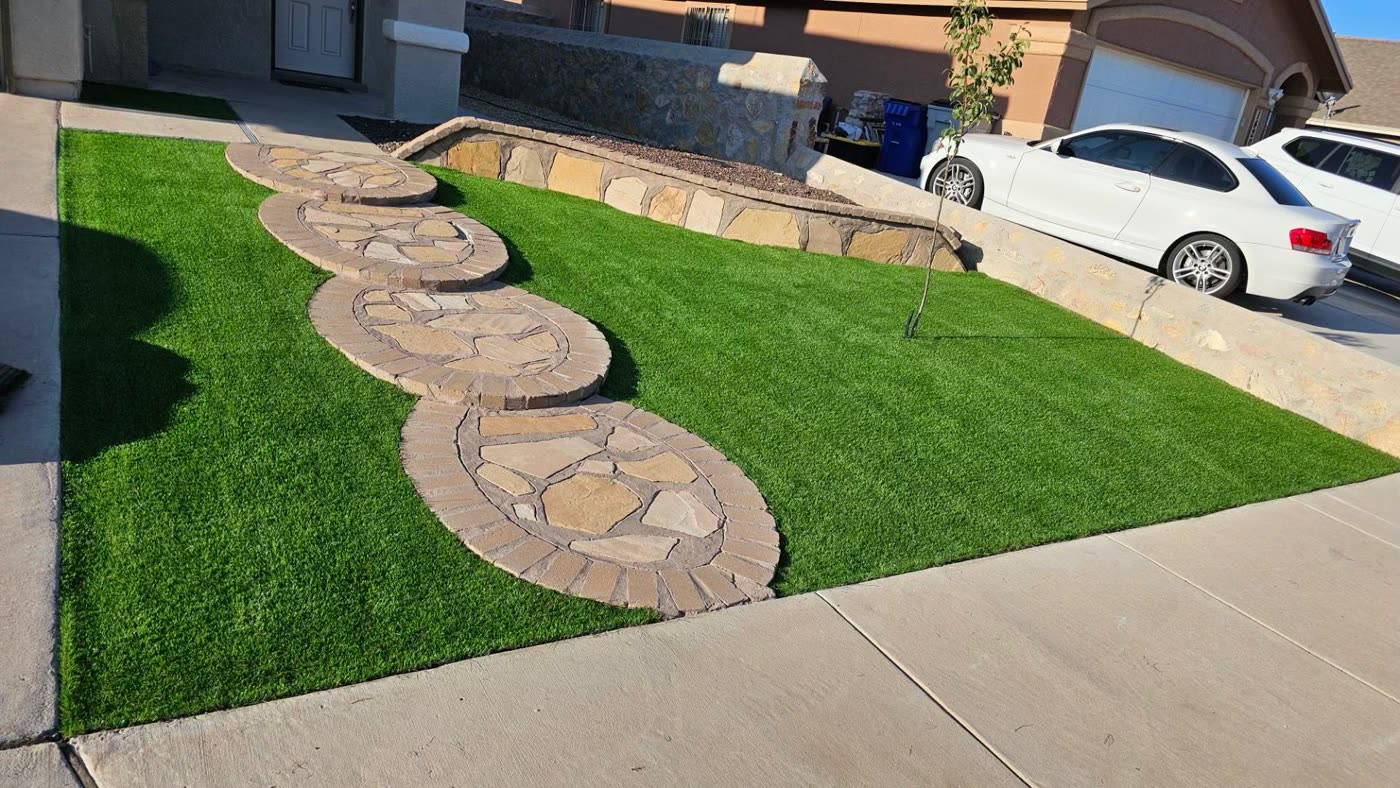
Turf’s transition-zone pitch is unusually clean: the entire problem is biological seasonality, and polyethylene has no seasons. One surface, one color, through the July that kills fescue and the January that browns Bermuda, with drainage for the zone’s violent storms and zero August irrigation guilt. Our Kansas City, Memphis, Louisville, and Chattanooga pages carry the local logistics; the agronomy lesson is the same in all of them: the zone can’t be won, but it can be exited.