
What a dye lot is
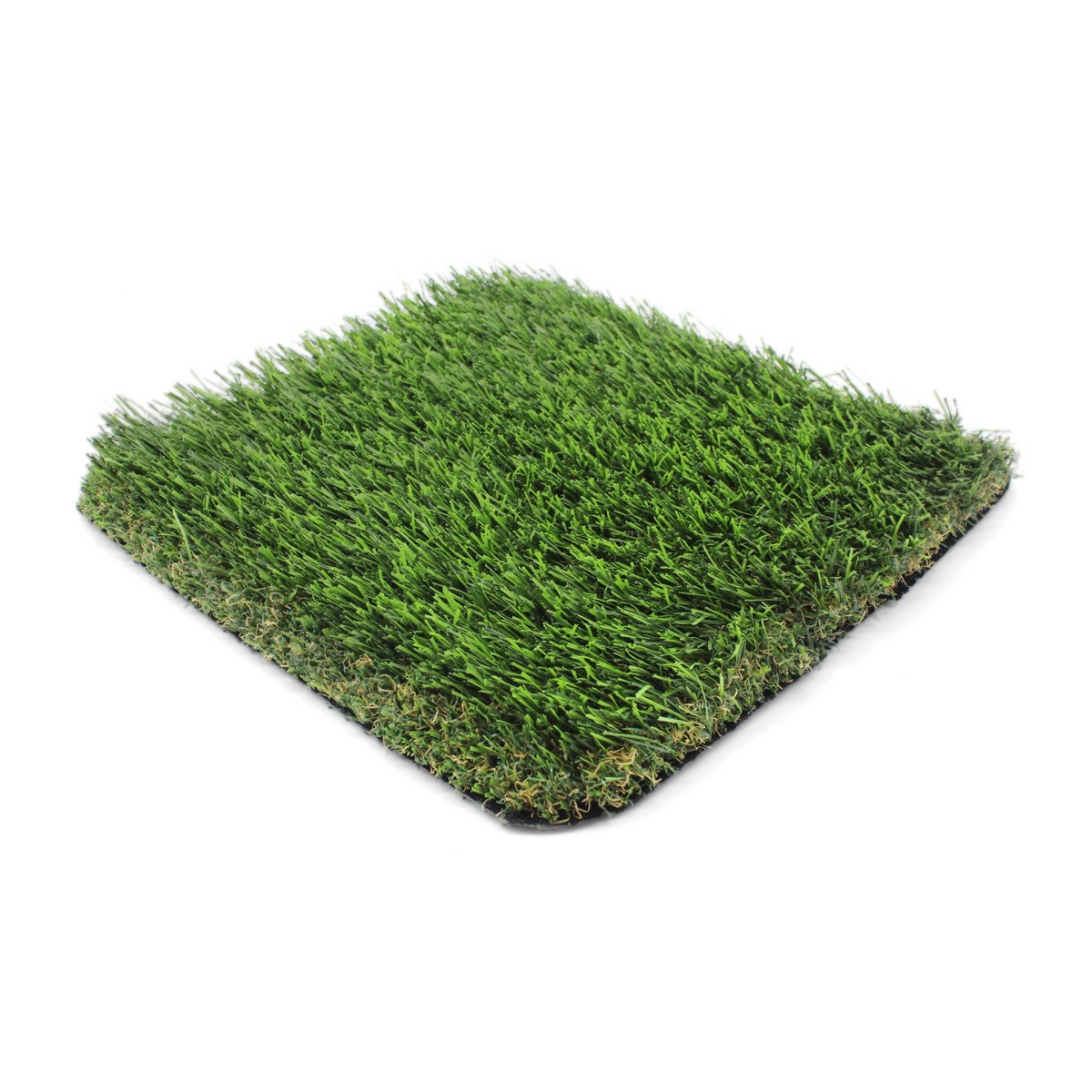
Turf fiber is colored in production batches (dye lots), and between lots, minuscule variations in pigment, resin, and process produce color that’s consistent within a lot and very slightly variable across lots. This is textile physics, not negligence; it’s why the industry (our warranty included) treats slight dye-lot variation as normal and expected rather than defect. The complaint arises when a buyer’s sample came from lot A and their rolls from lot B, and nobody warned them the shade could whisper differently.
The prevention playbook
- Order the full project from one lot, the cardinal rule. One order, one lot, one shade across every seam. We cut whole projects from single lots as standard practice.
- Phasing? Say so: multi-phase projects should ask about lot reservations up front so year-two sections match year-one.
- Patch material now, not later: ordering repair overage with the original project locks the lot; buying a patch roll in three years rolls the dice twice (new lot and your lawn’s three years of sun).
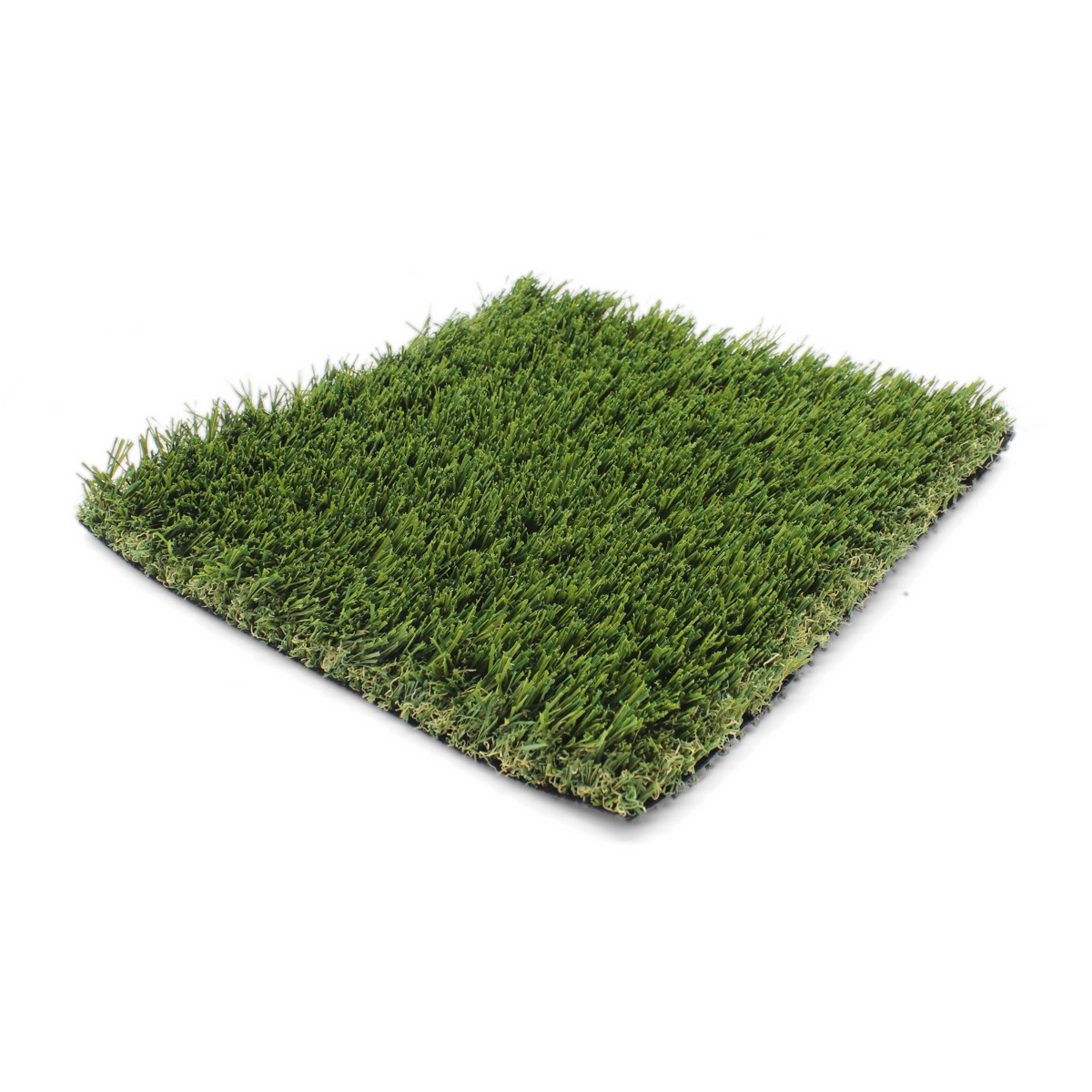
- Expect samples to approximate: a swatch tells you the product truth; the lot tells the final shade. Judge products by sample, seams by lot.
Our promise, stated plainly
Single-lot cutting per order, phase-planning on request, and this explanation delivered before purchase instead of after a complaint. Color variation across lots is physics we can’t repeal; surprise is a policy failure we can. Consider it repealed.