
First, know your legal ground
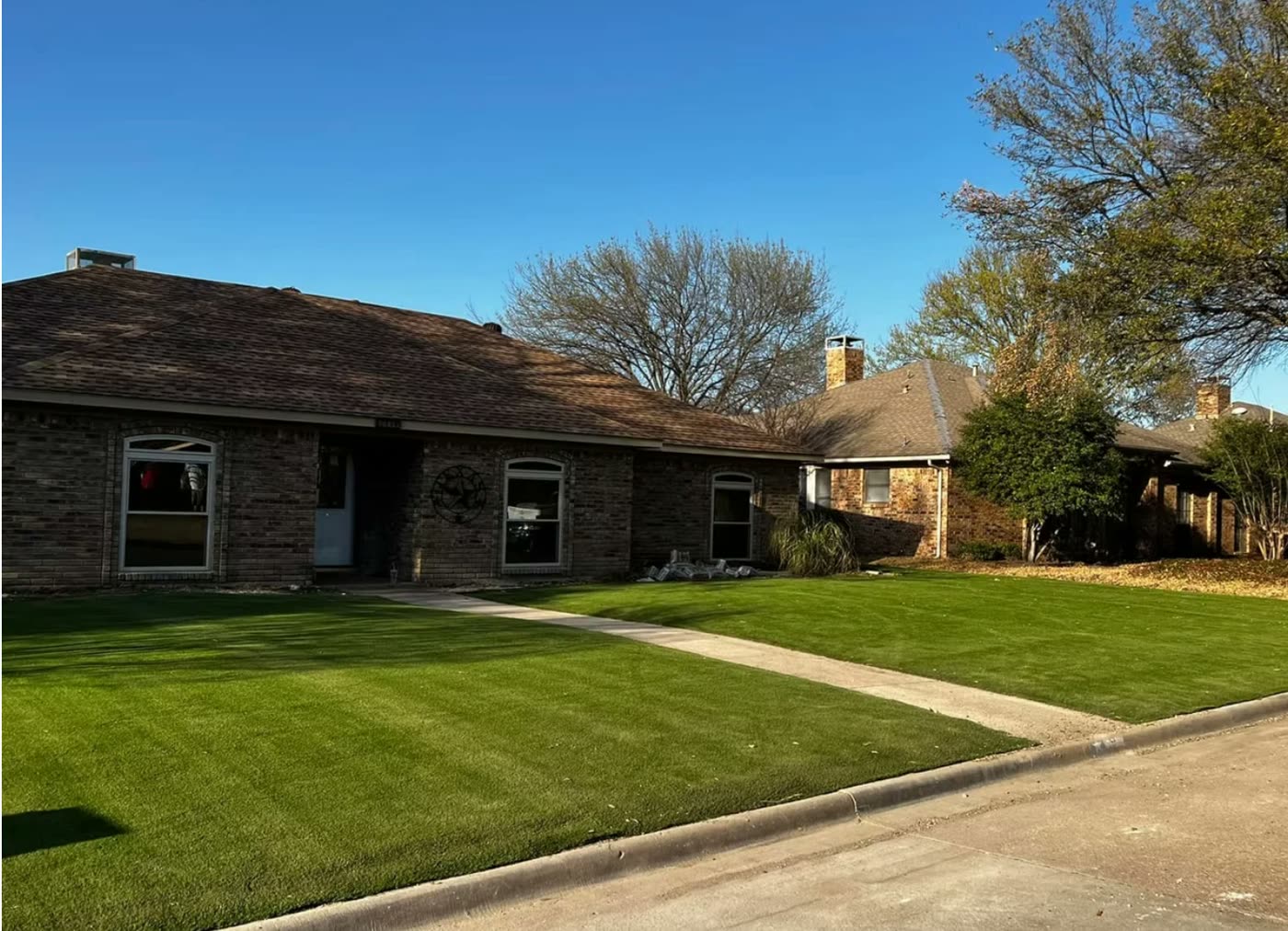
Two states have taken the ban question off the table. In California, Civil Code §4735 (via AB 2104 and subsequent legislation) prevents HOAs from prohibiting artificial turf installed for water conservation; boards may regulate type, quality, and appearance, but cannot simply say no, and cannot force reversion to natural grass after a drought emergency ends. In Texas, Property Code §202.007 similarly bars outright bans while allowing reasonable requirements: professional installation, natural green color, proper drainage.
Elsewhere (Florida notably included), no specific statute protects turf, and your community’s CC&Rs govern. That doesn’t mean no; it means the application package does the persuading.
The application package that wins
Architectural review committees approve what they can evaluate. A winning package leaves nothing to imagination:
- The modification request form your CC&Rs specify, plus a simple site plan showing where turf goes.
- The product spec sheet: pile height, face weight, fiber, backing (every EGD product page prints this table for exactly this purpose).
- A physical sample: boards approve what they touch; our free samples exist for this moment.
- A drainage note (base construction and water flow) and a one-paragraph maintenance plan.
- Installer details if going professional, warranty documentation, and photos of comparable installs.
What boards actually worry about, and the precedent effect
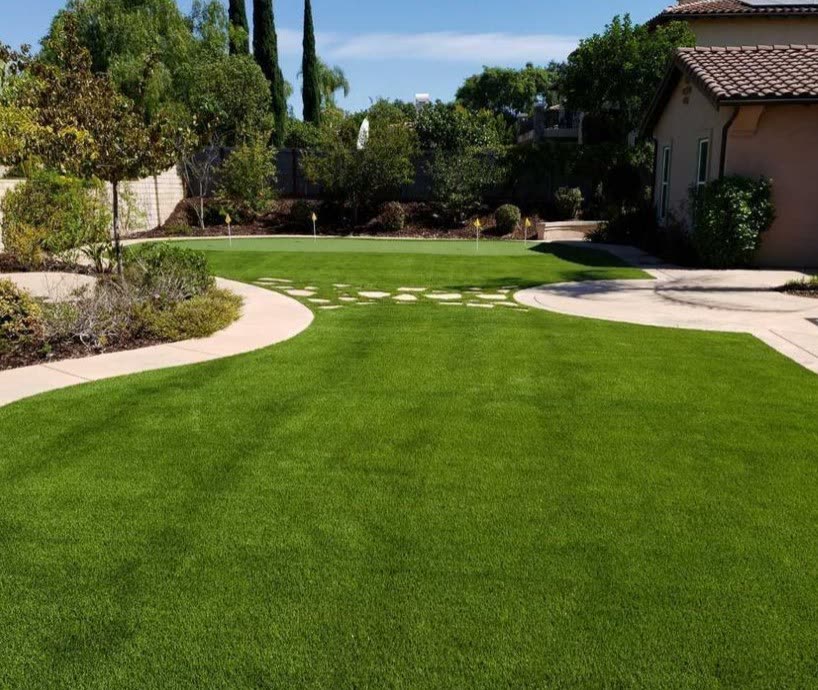
Committees aren’t evaluating turf in the abstract; they’re evaluating whether yours will look cheap in five years. Quality realism products with multi-tone blades and published UV ratings answer the real concern; a bargain roll with no spec sheet confirms it. Lead with the realism flagship, not the budget line, for the front-yard application.
And know how this usually ends: the first approval in a community sets the precedent. The board that has approved one spec-sheet-backed installation processes the next ones in minutes. Be the neighbor with the good paperwork. If your board wants documentation we haven’t thought of, call us; we’ve probably produced it before.