
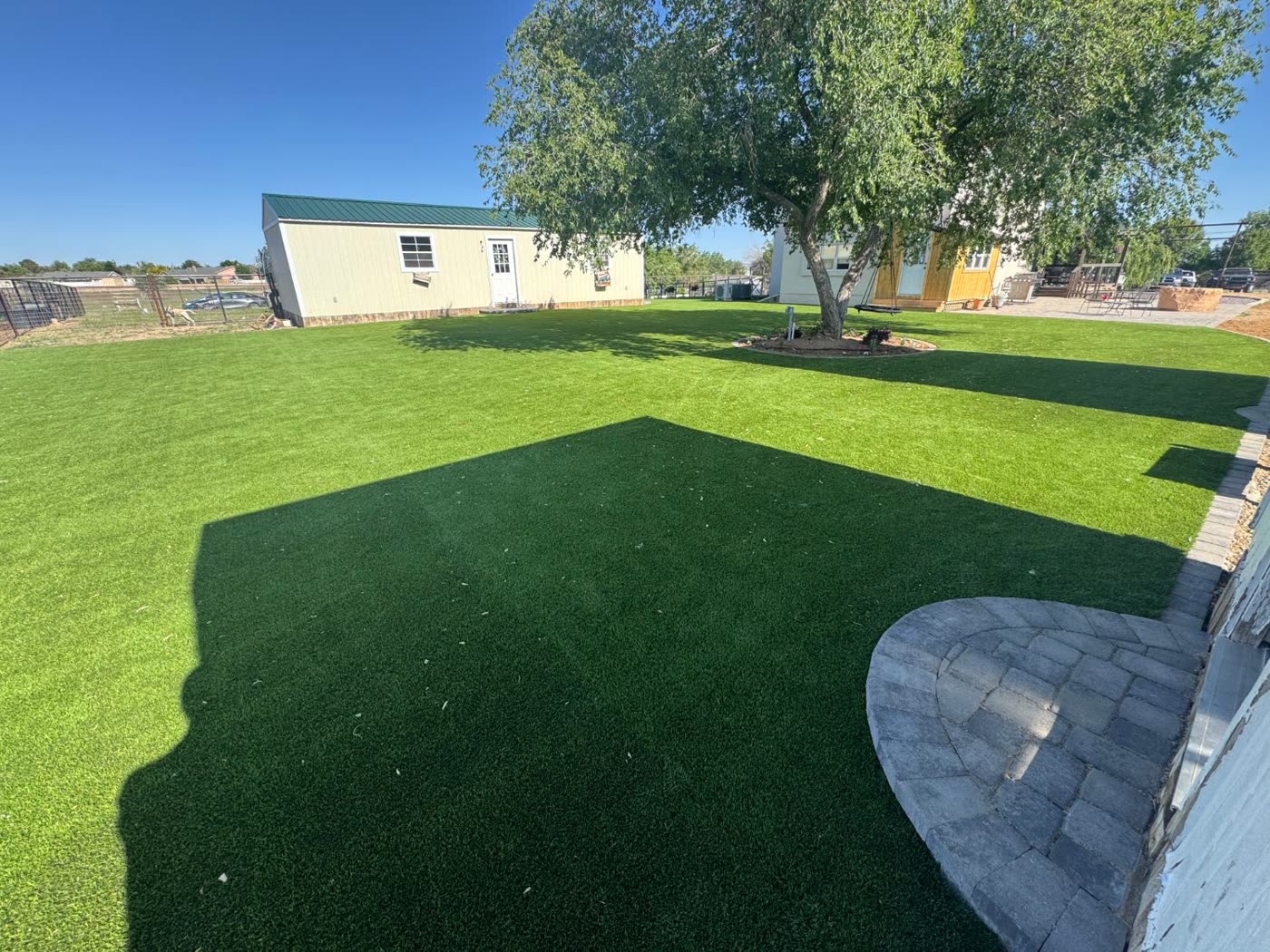
What actually ages turf
Turf doesn’t die; it fades and flattens. The aging forces are UV (slowly embrittling fiber; this is what weathering scores predict), concentrated traffic (matting the same lanes daily), and neglect (starved infill and never-brushed pile age a lawn at double speed). Notice what’s absent: rain, snow, heat cycles, and time itself barely register against quality fiber. A lightly used, well-specced lawn coasts toward the 25-year end.
The three choices that pick your number
- Fiber chemistry at purchase: UV-stabilized heavy-denier yarn with strong weathering scores versus budget import fiber is the difference between fading in year 18 and year 6. This is what the 16-year warranty is underwriting.
- Install quality: full infill spec and compacted base; the under-filled shortcut halves working life.
- Fifteen minutes a month: rinse, brush traffic lanes against the grain, keep debris moving. That’s the whole longevity regimen.
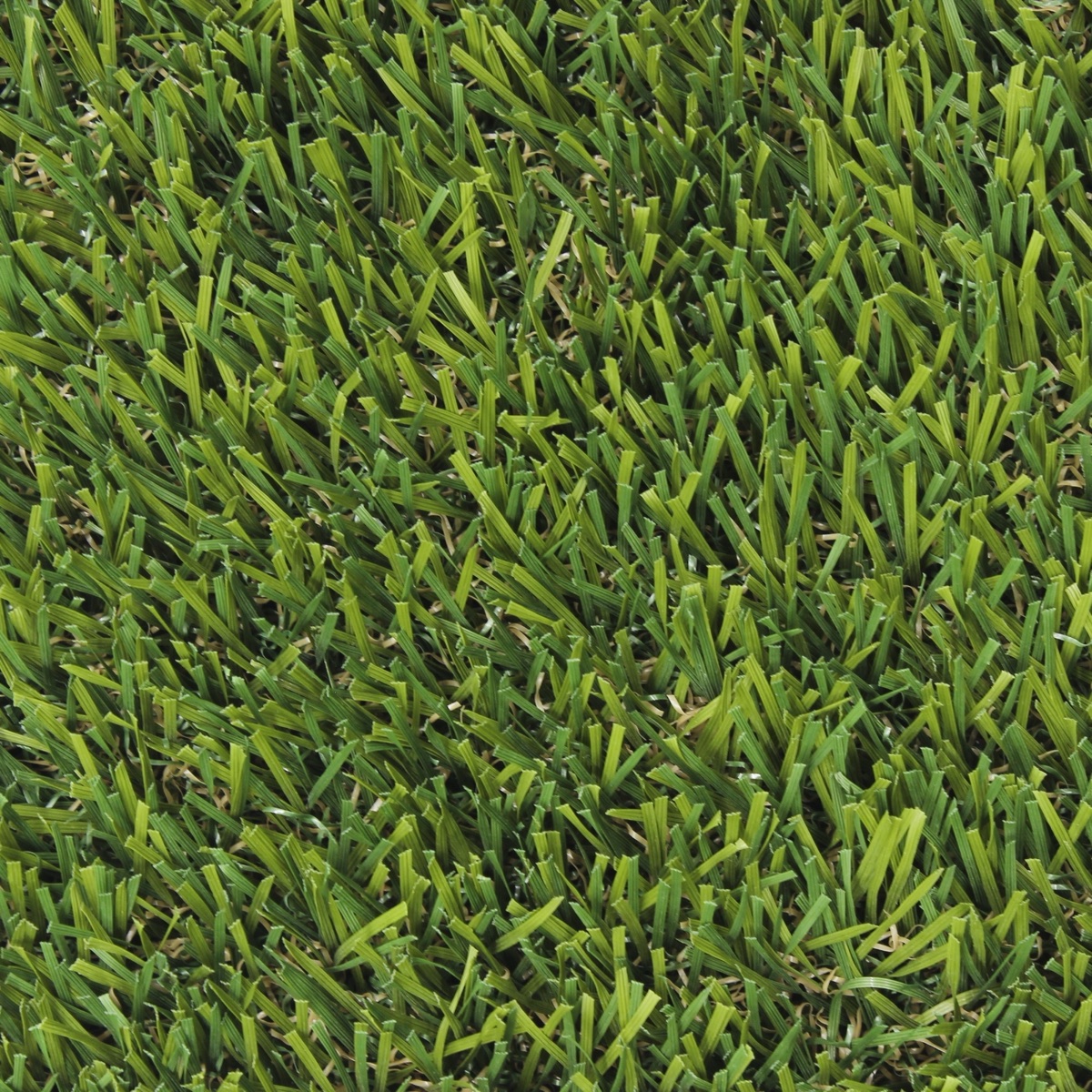
What year 20 looks like
End of life is gradual and graceful: color softens a shade, high-traffic zones stay matted despite brushing, and eventually the yard reads "tired" rather than "broken." Replacement then is a re-surface, not a rebuild: the compacted base underneath survives to serve the next turf, which is meaningfully cheaper than round one. Amortize the honest middle (20 years) against a natural lawn’s two decades of water, mowing, and re-sodding, and the lifespan question becomes the argument.