
The numbers a submittal actually needs
- Face weight & total weight (oz/sq yd): the density story, and the first number a value-engineering pass will attack. Specify a minimum, not a product name alone.
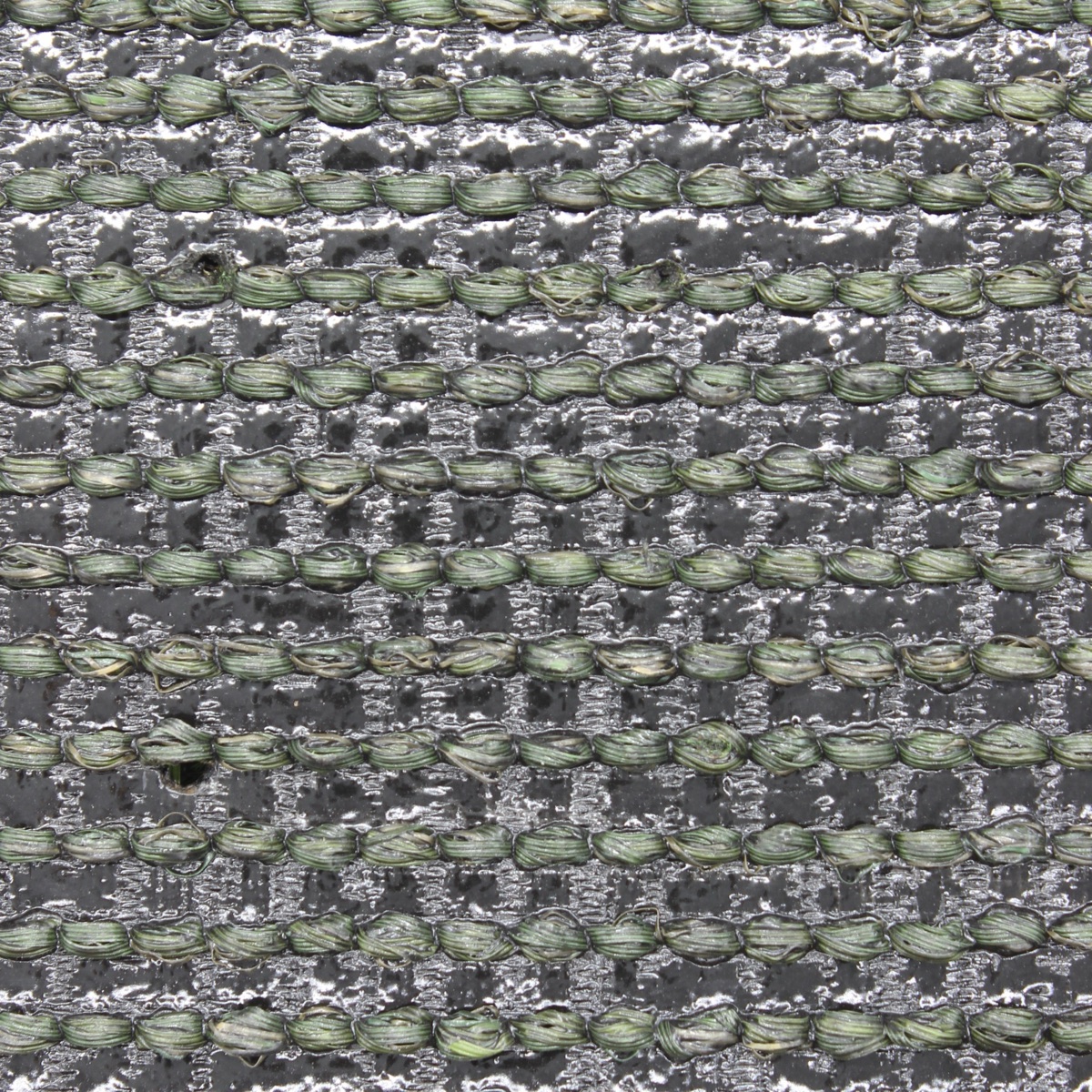
- Pile height & fiber construction: monofilament vs slit-film, blade geometry, and denier decide how the surface reads and recovers; tie them to the traffic the space will actually see.
- Tuft bind (lbs): the anchor spec for any public or high-traffic installation; it is what keeps fibers in the backing for the life of the warranty.
- Permeability (in/hr): drives your drainage detail. FlowThru-class backings drain at rates that change how much subsurface engineering the section needs.
- Safety & materials data: PFAS-free and lead-free status in writing, plus critical fall height where play equipment is in scope.
Detailing: where turf projects are won
The product is half the section. The base build-up (typically compacted aggregate under landscape applications), edge restraint, seam placement relative to sightlines and traffic, and infill specification carry the performance your drawing promises. Two details deserve particular attention: transitions (turf-to-paving edges are where cheap installs telegraph), and drainage continuity; a permeable surface over an impermeable base is a specification contradiction the site will find in the first storm.
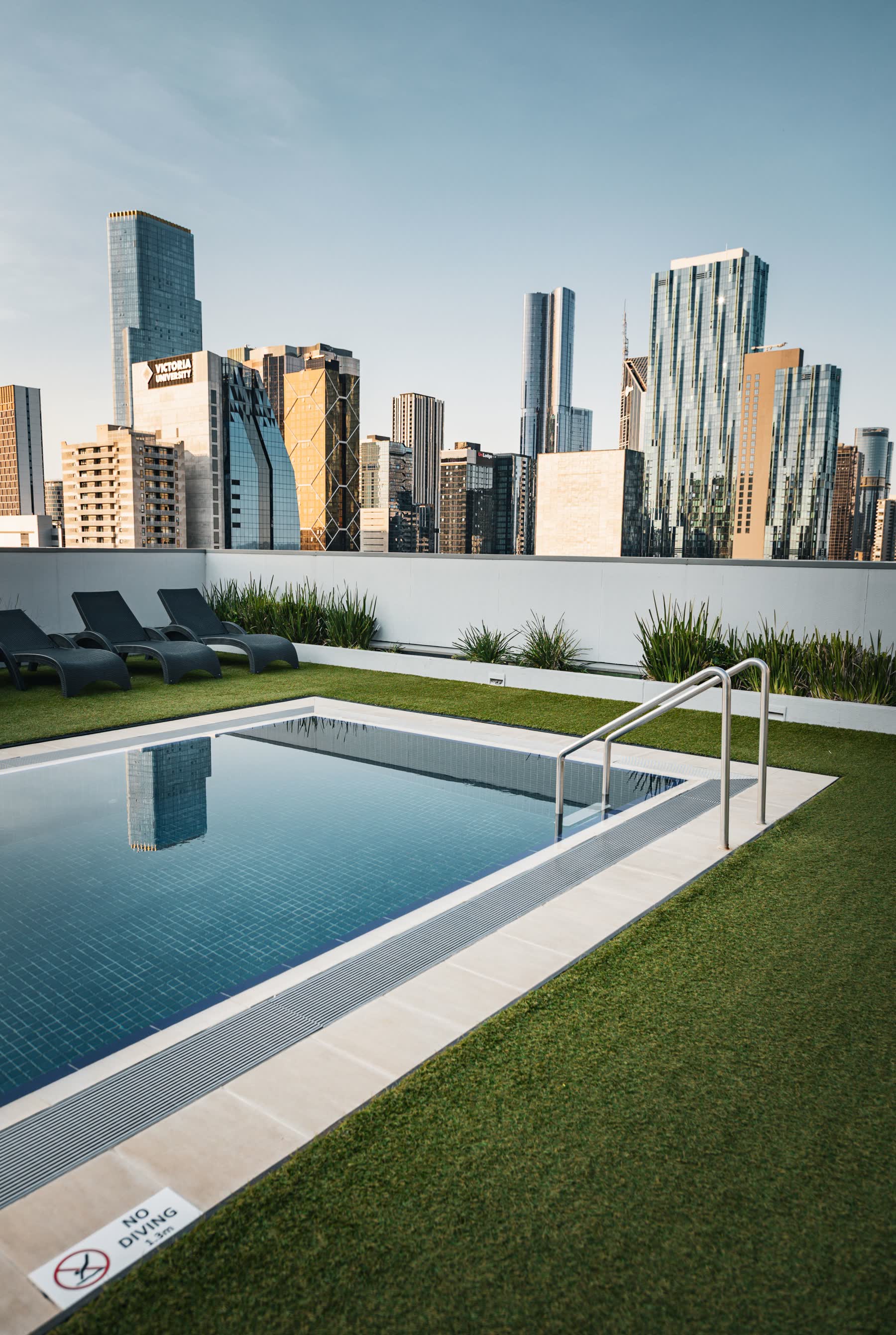
On rooftops and podium decks, dead load is modest (turf plus infill typically runs a few pounds per square foot, varying with infill spec), but drainage routing and wind-edge securement become the governing details. Flag the application when you request documentation and the spec package reflects it.
How we support a drawing set
We publish the full technical table for every product on its page and as a print-ready spec sheet, and we build submittal documentation per project: the spec data for your exact product in your exact application, samples sized for spec boards and client presentations, and a direct line to people who can talk through a detail before it’s drawn. No portal, no gatekeeping: one request, free, shipped to the studio. Start at the architects page or send the project brief; we’ve yet to meet a green hatch we couldn’t back up.