
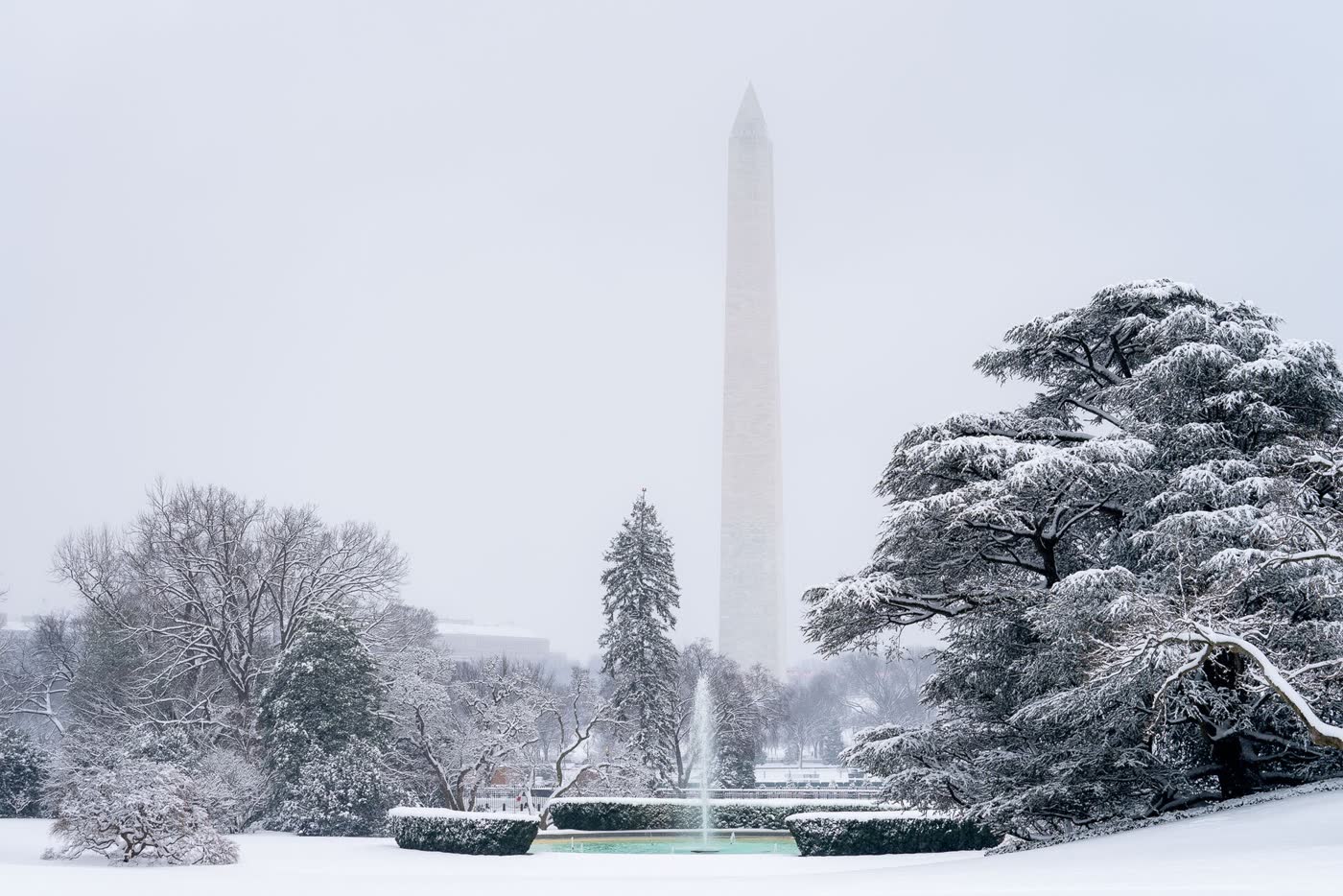
What cold does to turf (almost nothing)
Polyethylene stays flexible at any temperature a North American winter produces; months under snowpack are just stored weight, and meltwater exits through the backing like any rain. The Anchorage and Minneapolis installs in our network aren’t weather exceptions; they’re proof the fiber question was never the cold question.
The real engineering is underground
Freeze-thaw moves ground: water in soil expands, heaves, and settles differently every cycle. The force that cracks driveways will happily ripple a lazy turf base. The cold-climate spec answers with depth and compaction: excavate deeper, build more free-draining base, compact harder, so there’s no water-holding soil in the frost zone under your lawn. Same physics as proper road building, at yard scale, and the one line item never to trim in the North.
- Snow removal: plastic tools and raised snowblower skids; metal edges are the only real winter hazard.
- Ice: let it melt and drain; no salts with dyes, no chipping.
- Fall prep: clear leaf mats before snow seals them down.
The April dividend
The cold-climate payoff is a date: the week snowpack releases, a turf lawn is green and firm while every natural yard on the block begins its month of mud, matting, and winter-kill reseeding. In short-summer country (Montana, Minnesota, Alaska) that reclaimed month is a meaningful percentage of the entire outdoor season. Northern owners don’t buy turf despite winter; increasingly, they buy it because of what winter does to the alternative.