
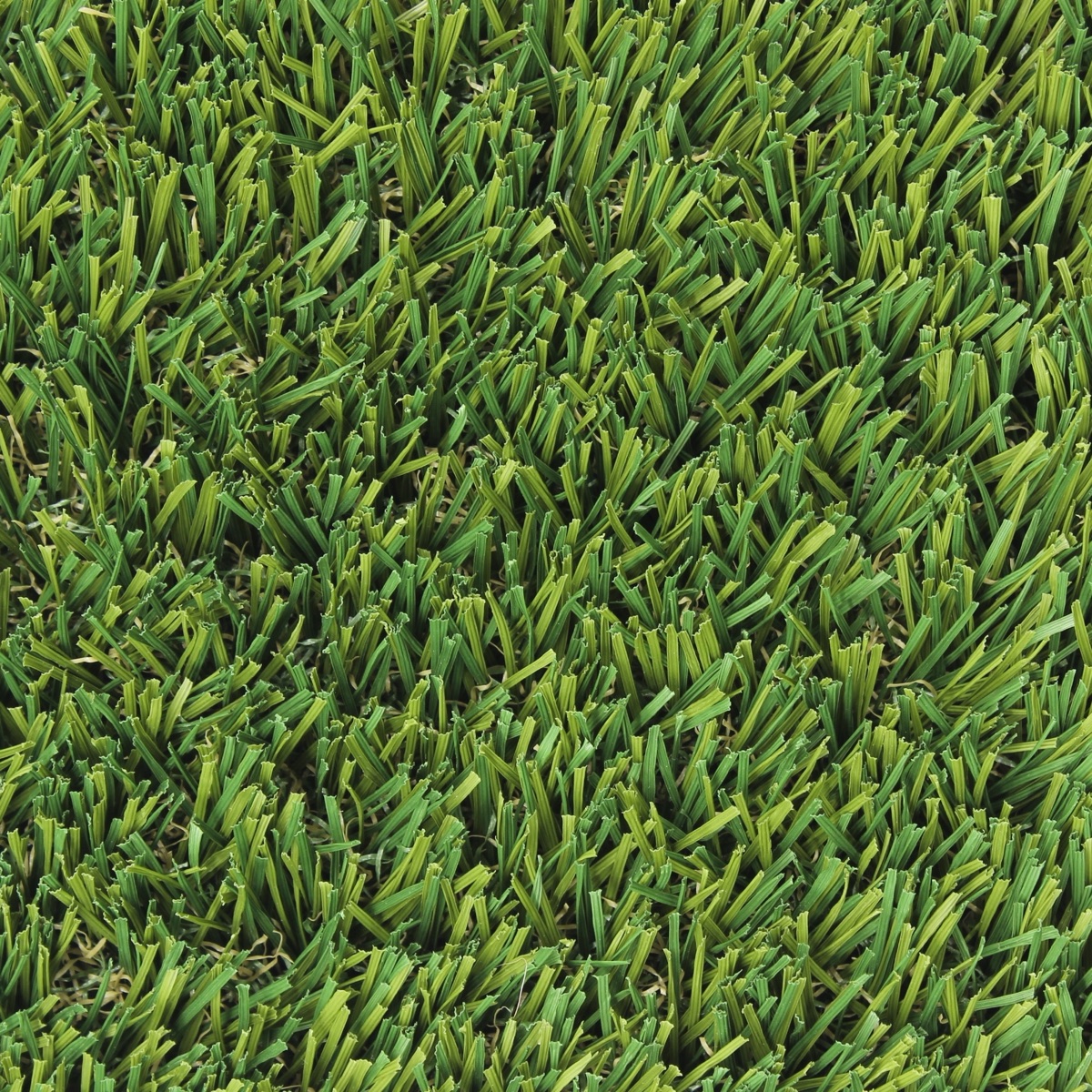
The pairing table
- Standard lawns → silica sand at the product’s spec (1–2 lbs/sqft for most of our catalog). Cheap, heavy, does the job.
- Dense or tall pile (Legacy 127, EverPlay 130) → rounded-grain sand flows deeper into thick tufting and is gentler on fiber; these products spec the top of the landscape range (1.5–2 lbs).
- Pet areas → infills designed for ammonia control in the potty zone; standard sand elsewhere. This single decision is most of the odor outcome.
- Playgrounds → resilient granule blends add cushion; pair with rated padding underlayment where fall-height rules apply.
- Putting greens → the most sand in the catalog (2–3 lbs), because on a green, infill is the playing surface.
Quantity is not a suggestion
Every product page prints its infill spec because under-filling is the most common self-inflicted failure in the industry: starved turf mats early, exposes backing to UV, and ages out of warranty conversations. Multiply your square footage by the spec, round up, and spread it in passes with a power-broom between; the guide covers technique.
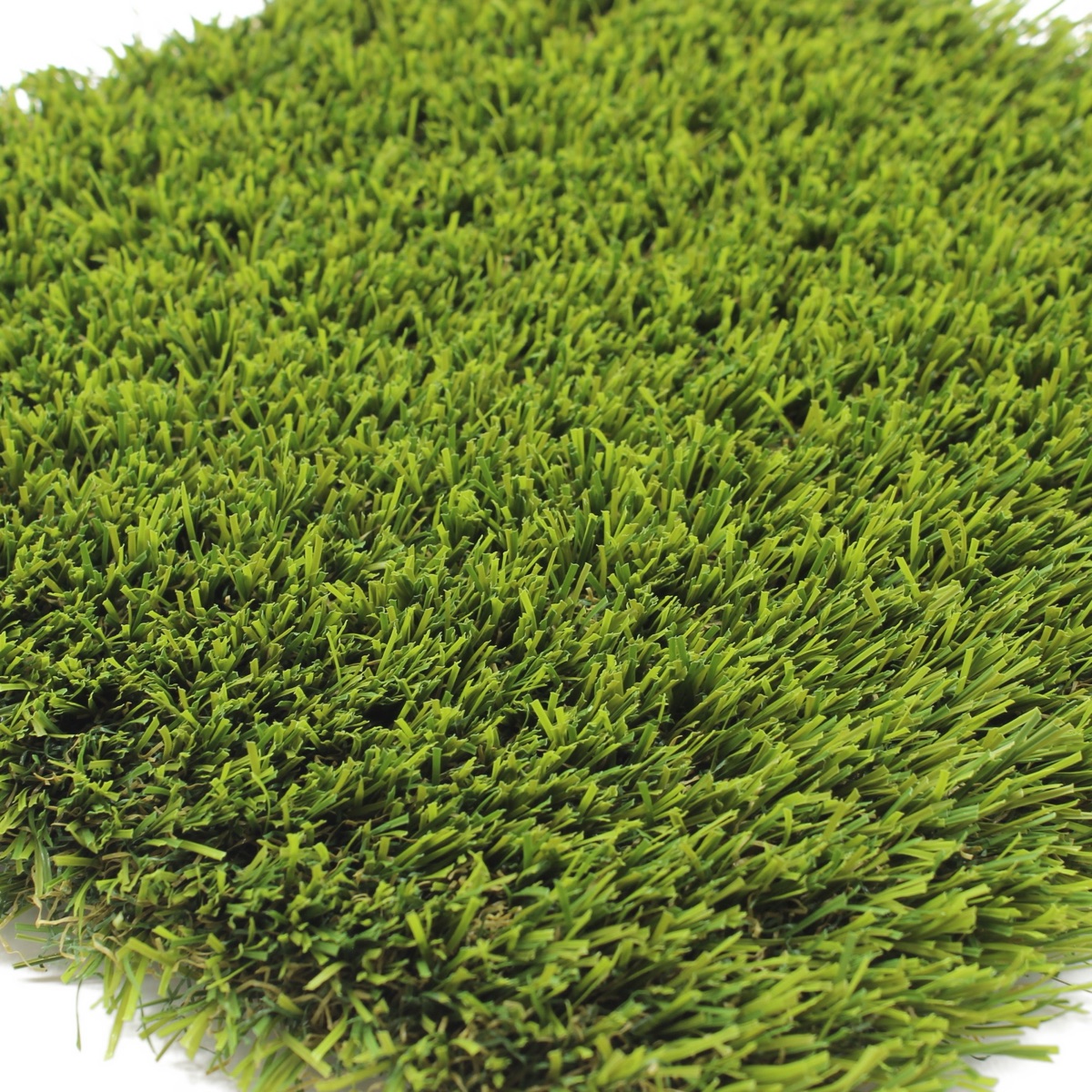
Just tell us the project
The honest shortcut: name the use when you order ("two big dogs," "playground," "putting green") and we spec type and tonnage with the quote, shipped together with the turf. One delivery, zero infill guesswork, and the warranty math stays intact.